
This blog post is Human-Centered Content: Written by humans for humans.
Claude Code has entered the zeitgeist.
Jensen Huang at Davos last week: “Claude is incredible. Anthropic made a huge leap in coding and reasoning. Nvidia uses it all over. Every software company needs to use it.”
The Verge (subscription required) reporting that Microsoft, despite selling GitHub Copilot, increasingly favors Claude Code internally.
These aren’t early adopters experimenting anymore. The infrastructure companies powering AI are choosing Claude Code for their own work. That’s a signal worth paying attention to.
But knowing a tool exists and knowing how to use it are two different things. The gap between awareness and adoption is hands-on experience.
Setting the Stage
At our January company kickoff, we decided to close that gap. But before turning people loose with Claude Code, we needed to reframe what AI actually is.
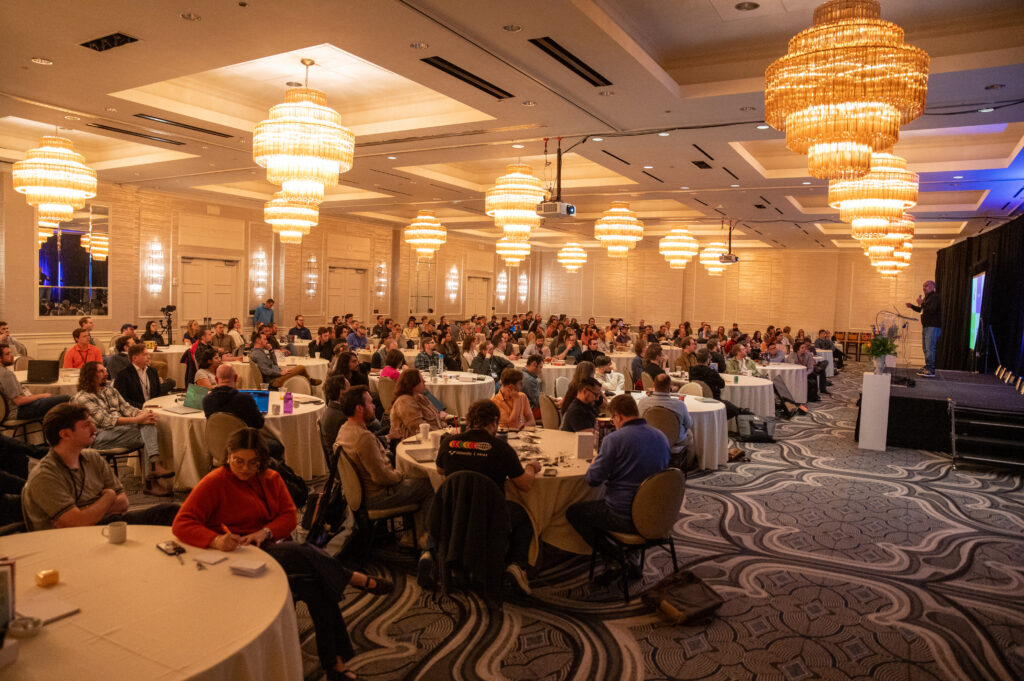
Above: One of the sessions from the InterWorks kickoff.
We opened with a presentation on AI use cases. The subtitle: “Reality, not Hype.” The goal was to draw a clear line between what most people think AI can do and what it can actually do when you give it the right tools.
A chatbot generates text. An agent does work. That distinction sounds simple, but it changes everything about how you approach AI. A chatbot can help you draft an email. An agent can build you a dashboard, format your data into a polished Excel workbook or generate a presentation deck while you watch.
Once people understood that framing, we moved to the hands-on portion.
Running the Workshop
The setup was straightforward: VS Code with the Claude Code extension. We chose this path for practical reasons. We didn’t have Claude Desktop subscriptions set up for everyone yet, and the VS Code extension gives you the full Claude Code experience without additional configuration. If Claude Desktop is available to your team, that’s the ideal interface. But the extension meant everyone could start immediately.
We structured it as a progression: First working with markdown files and building a local knowledge base, then creating Streamlit dashboards from real data, then a hackathon where people tackled their own problems with what they’d learned.
We gave them prompt patterns and example tasks to start. But the real learning happened when they stopped following the script and started asking their own questions. That’s the beauty of working with AI — the curriculum is a launching pad, not a constraint.
The Support Model
Experienced Claude Code users circulated the room. This turned out to be critical.
Installation issues surfaced. Windows machines had more friction than Macs. Permission problems. Path configurations. The kinds of things that stop non-technical users cold if they’re alone.
Having someone who could look at a screen, diagnose the issue and get them unstuck in thirty seconds made all the difference. People who would have given up at the first error message were building dashboards an hour later.
What Changed
The shift we saw wasn’t about features or capabilities. It was about understanding.
Most people in that room had used chatbots before. They’d asked Claude or ChatGPT to help write emails or explain concepts. They thought they knew what AI could do.
Claude Code isn’t a chatbot. It’s an agent. It can read your files. It can write code and run it. It can build things while you watch and iterate based on what you tell it.
That distinction doesn’t land until you see it happen. Until you say, “build me a dashboard showing sales by region” and watch it create the files, install the dependencies and launch the app.
Non-technical people started building things to solve their actual problems. Not following tutorials. Not copying examples. Solving their own problems with their own data because they finally had a tool that closed the gap between having an idea and executing it.
What Happens Next
We’re fielding demand for more workshops and we’re also getting requests to integrate new tools and capabilities into our agents. Once people understand the difference between a chatbot and an agent that can do real business work, they want more. They want their agents connected to their systems, working with their data, solving their specific problems.
This is the pattern that separates toy AI projects from something impactful: A solid agent, the right tools and the knowledge to integrate it into your actual business. Any one of those alone isn’t enough. You need all three.
Getting people hands-on makes all the difference. Reading about Claude Code is one thing. Using it changes what you think is possible.
Interested in getting Claude and Claude Code off the ground at your company? InterWorks can help with workshops, integration and building the agent capabilities your team needs.
